
High Level Workshop on ERA 2017


High Level Workshop on ERA 2017
The Rationales of Open Science – Digitalisation and Democratisation in Research
The High Level Workshop on ERA offers an annual platform for Science Europe Member Organisations, national ministries, and EU institutions to discuss progress, specific aspects, and future development of the ERA.
The High Level Workshop on ERA 2017 was co-organised by Science Europe and:
- German Research Foundation (DFG)
- German Federal Ministry of Education and Research (BMBF)
About the event
Open Science leads to better science if it is ‘science driven’. This means that it respects fundamental values and principles, such as academic freedom and scientific independence, follows scientific methods, relies on the application of the highest quality and ethical standards, and is practised by excellent researchers.
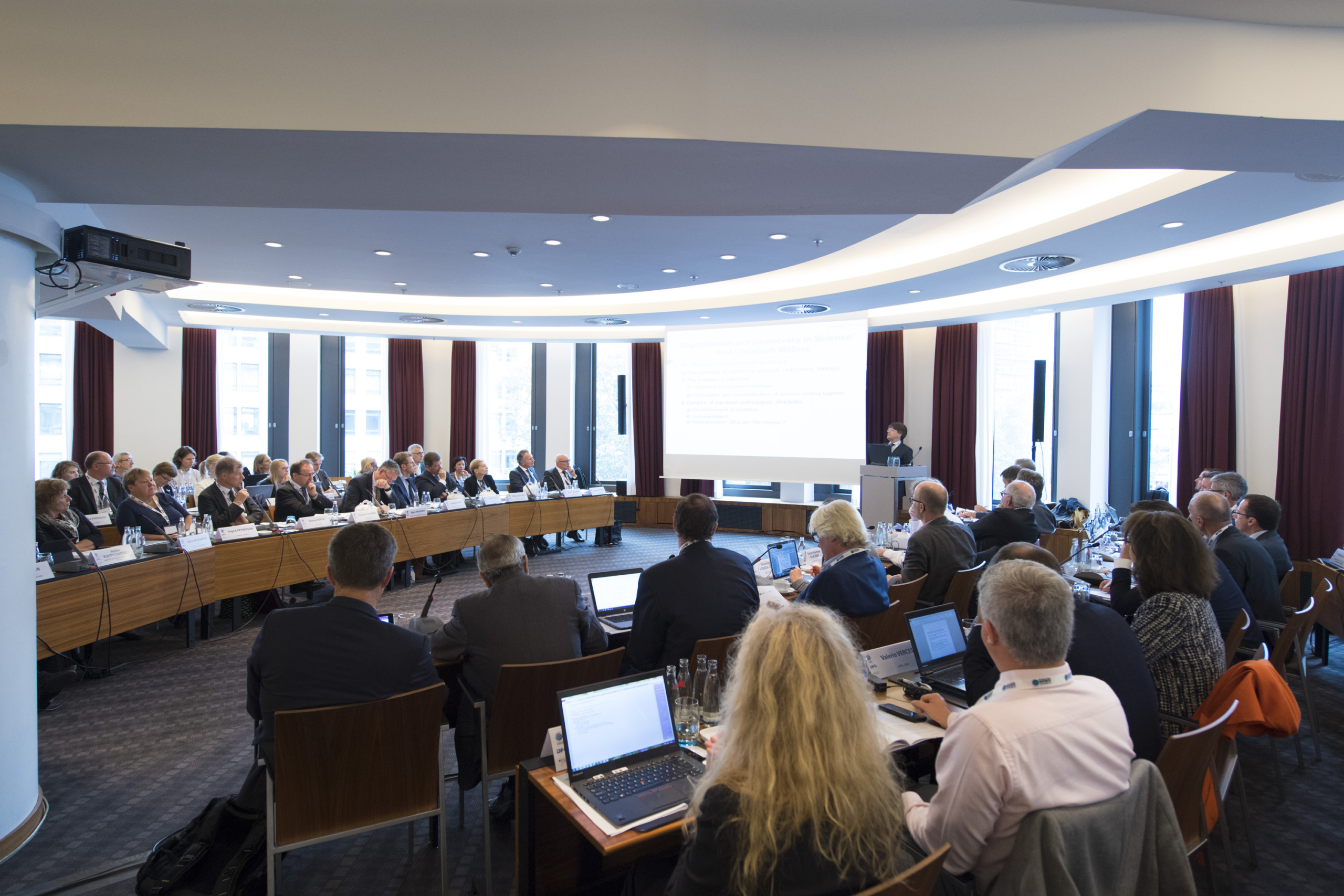
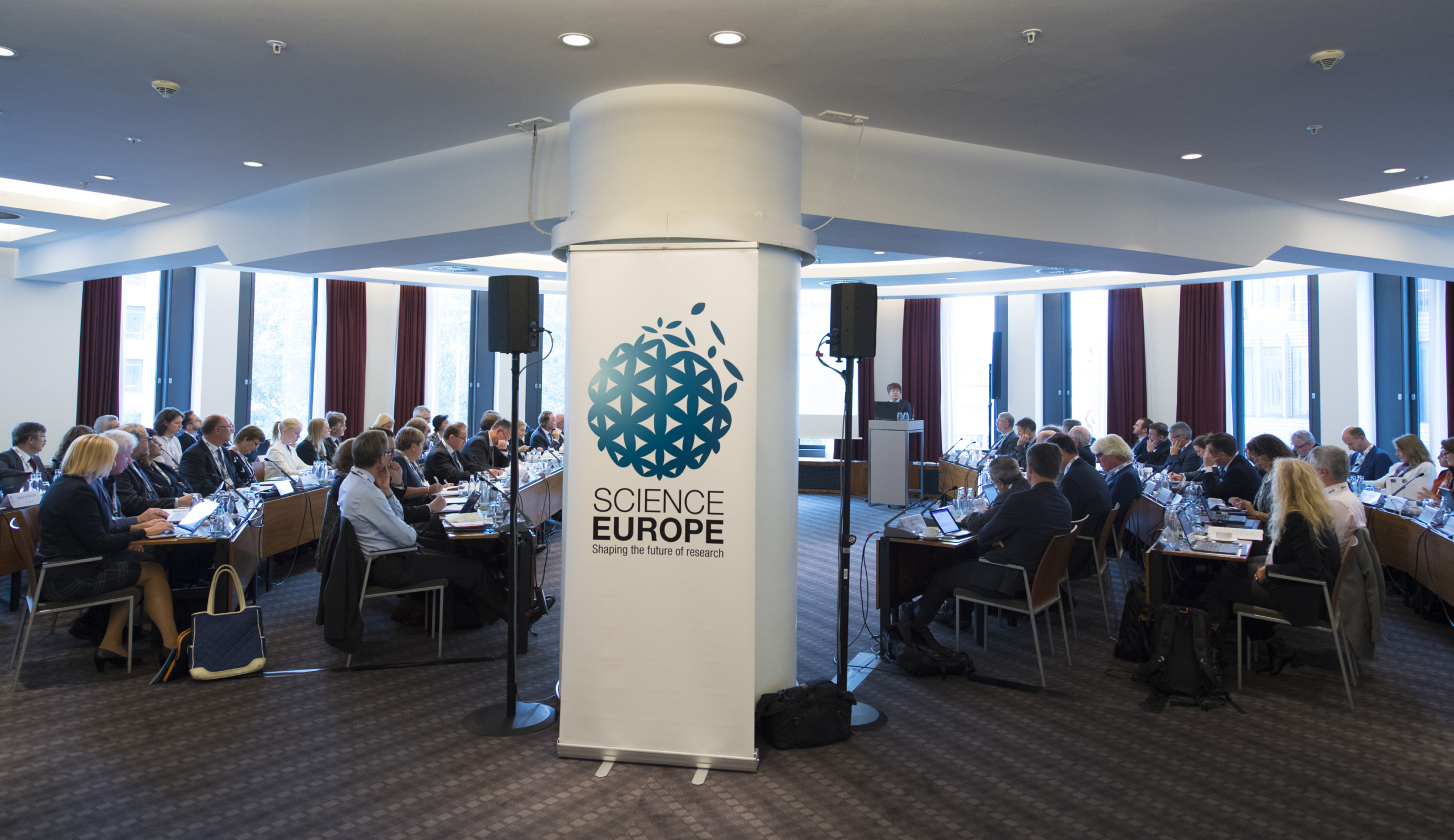
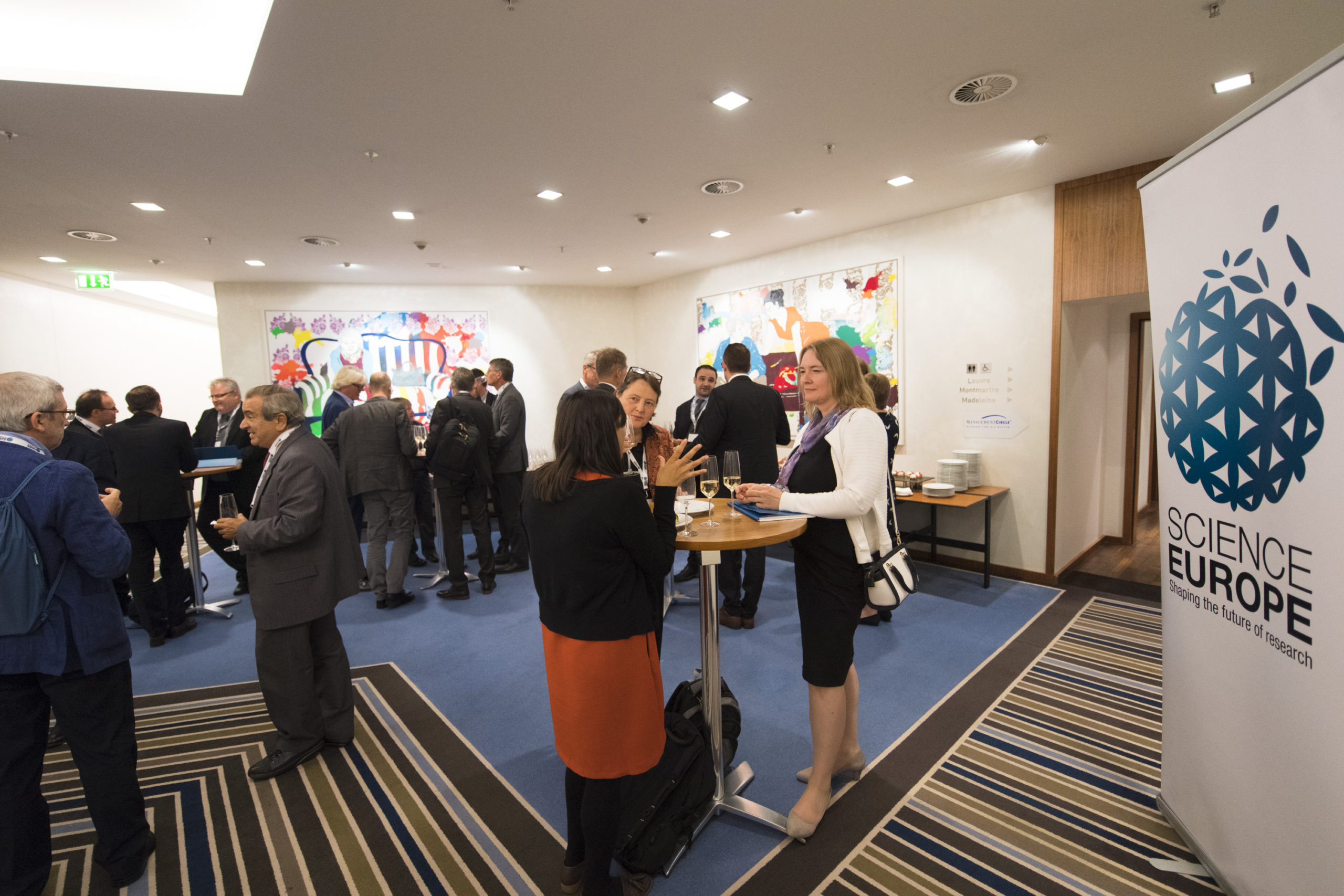
This was one of the main conclusions that emerged during the debates at the 9th Science Europe High Level Workshop held in Berlin on 14 September. Co-hosted by the German Research Foundation (DFG) and the German Federal Ministry for Education and Research (BMBF), this year’s workshop took a look at Open Science from a new angle.
Leaving technical discussion aside, the event addressed the question of how digitalisation and citizen involvement in research – two of the drivers of Open Science – impact scientific research and the role of science in society.
Scholars of democracy and of the philosophy of science, senior representatives of national governments, and representatives from the European Commission, discussed the conditions under which Open Science leads to better science with the Heads of Science Europe Member Organisations.
Summary
The first keynote speech argued that science cannot be democratic in the broadest sense because it must retain its independence from politics. It was therefore suggested that clear boundaries are needed between scientific research and politics, as well as between citizen participation in science and the self-governance of the scientific system. At the same time, these boundaries should not prevent openness and inclusion.
The second keynote addressed the idea that open science leads to better science. It was described as enhancing the effectiveness, efficiency, accountability, transparency, and inclusiveness of scientific research. Research organisations were encouraged to support the adoption of open science practices within the research community and, where appropriate, to establish conditions that facilitate their uptake.
Both presentations provided substantial material for debate during the subsequent panel discussions and audience dialogue. The discussion suggested that some dimensions of open science, such as open access to published research and the sharing of research data, are widely accepted and can deliver clear benefits when implemented under appropriate conditions.
Other aspects of open science, particularly those relating to citizen participation, were identified as requiring further study. Citizen participation through the provision of data is already well established in several research fields. Other forms of participation, such as involvement in research agenda-setting and programming, remain less common in most disciplines.
Participants also showed considerable interest in a recent Dutch initiative that involved citizens in the development of the national research agenda.
In this example, citizens were invited to submit questions they believed science should address. These questions were subsequently grouped and refined into thematic topics by scientific expert panels from different fields. As the initiative is still relatively recent, many of the questions raised during the workshop will require more time before definitive conclusions can be drawn.
Follow-up to the event
The day following the workshop, members of the Science Europe Governing Board and DFG representatives met to discuss the following steps and how Science Europe can further support its Member Organisations in dealing with the benefits and challenges of open science.
It was agreed that Science Europe will continue to help shape open science by working to ensure that the fundamental values and principles of science remain at the centre of EU policies regarding open science. In addition, Science Europe will continue to provide a service platform for developing joint practical initiatives among its members, in order to support them and the wider scientific community in advancing those open science practices that are beneficial to the research system.
Photo Gallery