High Level Workshop on ERA 2016
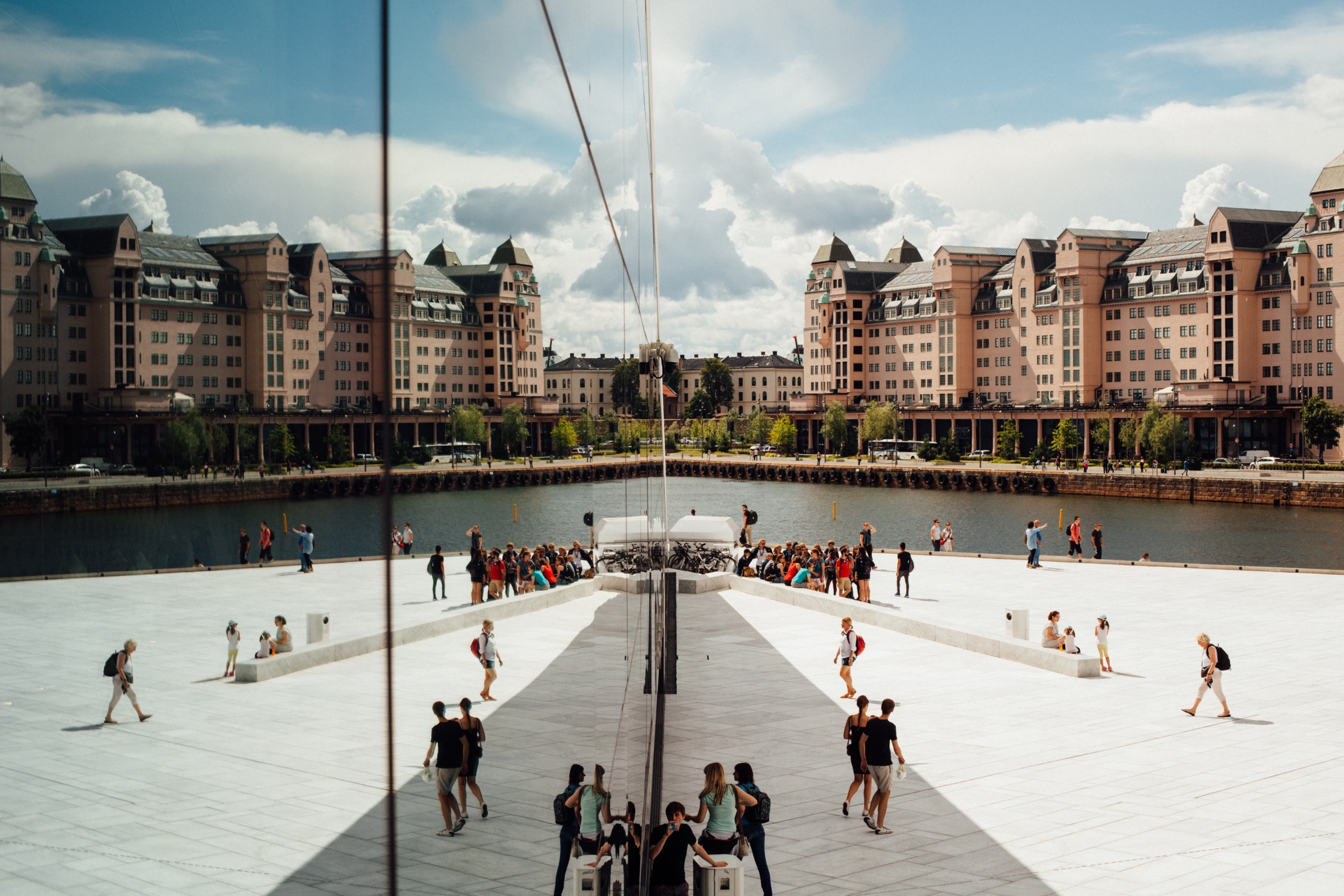

High Level Workshop on ERA 2016
Member-only information appears on this page. Please log in to access it.
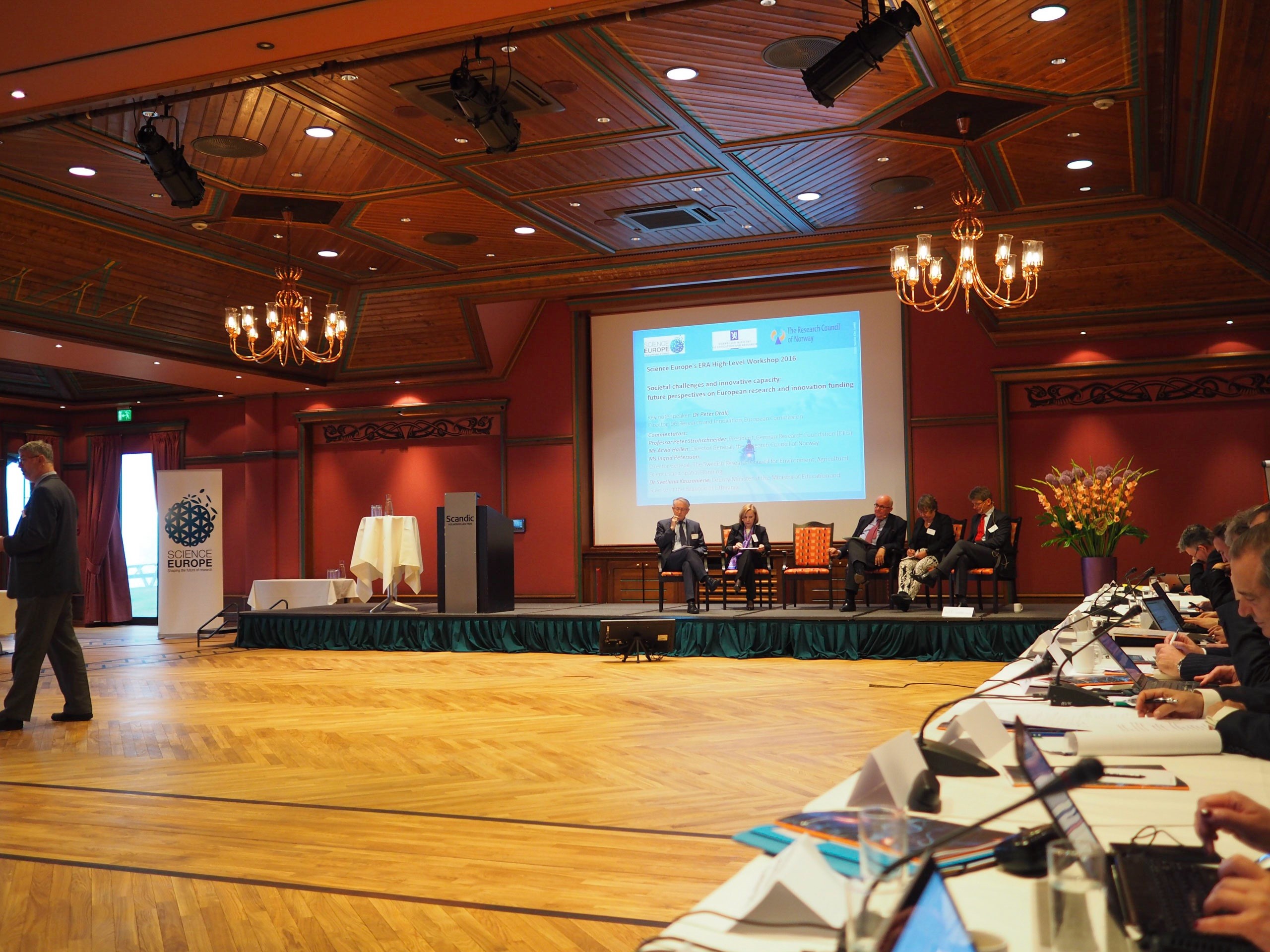
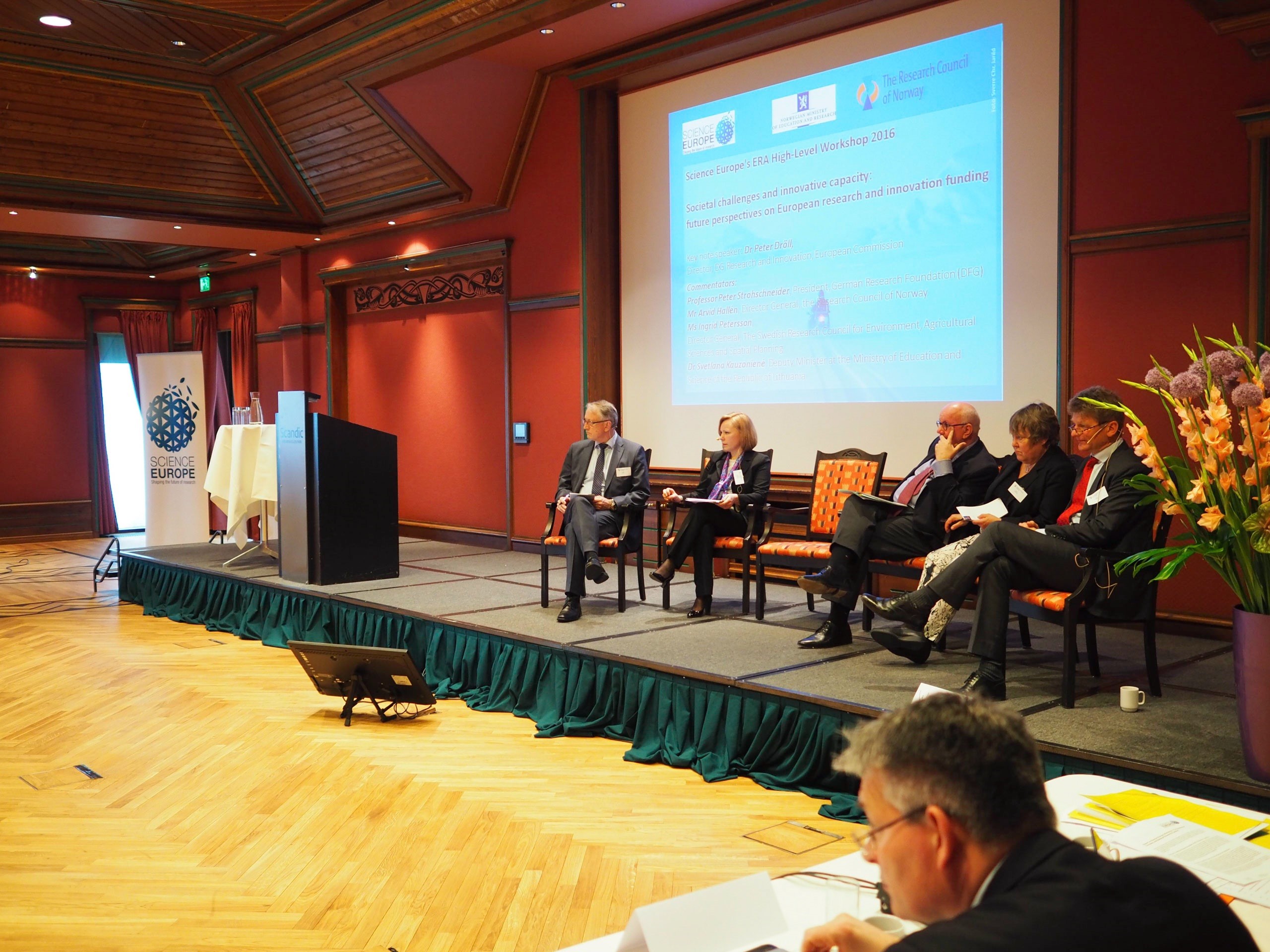
The High Level Workshop on ERA offers an annual platform for Science Europe Member Organisations, national ministries, and EU institutions to discuss progress, specific aspects, and future development of the ERA.
The High Level Workshop on ERA 2016 was co-organised in Oslo by Science Europe and:
- The Research Council of Norway (RCN)
- Norwegian Ministry of Education and Research
About the event
The 2016 High Level Workshop on ERA focused on two topics:
- Interaction Between National and European Research and Innovation Funding
- Societal Challenges and Innovative Capacity: Future Perspectives of European Research and Innovation Funding
Summary
In the opening address described research as an international endeavour and identified the European Research Area (ERA) as Norway’s most important framework for collaboration. The future of the ERA for Norway was characterised by increased co-operation, stronger collaboration, greater societal change, and broader involvement.
A Science Europe representative referred to the organisation’s mission of shaping the future of research and noted that the High Level Workshop provided an appropriate forum for discussing how this can be achieved among those responsible for research policy in Europe. It was also argued that the strong participation and commitment to discussion demonstrated Science Europe’s role as an important third voice within the ERA, alongside Member States and European institutions.
The keynote speech provided a broad overview of the issues expected to shape debates on the future of European research and innovation. Key priorities identified for the interim evaluation of Horizon 2020 included managing increasing transnational initiatives, defining an effective division of responsibilities between Member States and the EU, achieving genuine simplification, and safeguarding grant-based funding for research. The address emphasised the need for greater European cooperation through increased work-sharing, stronger agreements, closer coordination, and further harmonisation.
Another speaker highlighted the goals of current and future Framework Programmes as improving the framework conditions for research and innovation, strengthening international collaboration, and increasing investment in research and innovation. The presentation indicated that the European Commission was seeking to enhance the contribution of the Framework Programmes to innovation through initiatives such as piloting concepts for a European Innovation Council (EIC) and expanding the use of financial instruments during the second half of Horizon 2020. These ideas contrasted to some extent with views expressed by other participants.
A further contribution cautioned against reductionist approaches that assess the value of research primarily through narrow concepts and economic indicators. Instead, it was argued that national research systems should help shape European research principles by preserving a diversity of approaches, safeguarding researchers’ freedom, and maintaining a balance between problem-solving and curiosity-driven research. The importance of curiosity-driven research was emphasised as a means not only of addressing known challenges but also of identifying emerging and unforeseen ones. To sustain this long-term capacity, it was argued that science policy and research funding decisions should be guided primarily by scientific relevance rather than by impact considerations.
Each of the presentations was followed by discussions among the participants.
Photo gallery